Skip to content
Rush Lake Improvement Association
  • Home
  • News and Events
  • About Us
    • Membership Form
    • Memoriam
  • About Rush Lake
  • Photo Gallery
  • Our Work
  • Contact
    • Contact Form
    • RLIA Board
    • Grant Funding Request
  • Classified Ads
    • Search Ads
    • Create New Ad
    • Manage My Ads
  • 0
  • Toggle website search
0 Menu Close
  • Home
  • News and Events
  • About Us
    • Membership Form
    • Memoriam
  • About Rush Lake
  • Photo Gallery
  • Our Work
  • Contact
    • Contact Form
    • RLIA Board
    • Grant Funding Request
  • Classified Ads
    • Search Ads
    • Create New Ad
    • Manage My Ads
  • 0
  • Toggle website search

Blog

  1. Home>
  2. Meetings>
  3. Holiday Breakfast>
  4. Christmas Brunch
You are currently viewing Christmas Brunch

Christmas Brunch

  • Post author:rliawebmaster
  • Post published:October 14, 2021
  • Post category:Holiday Breakfast

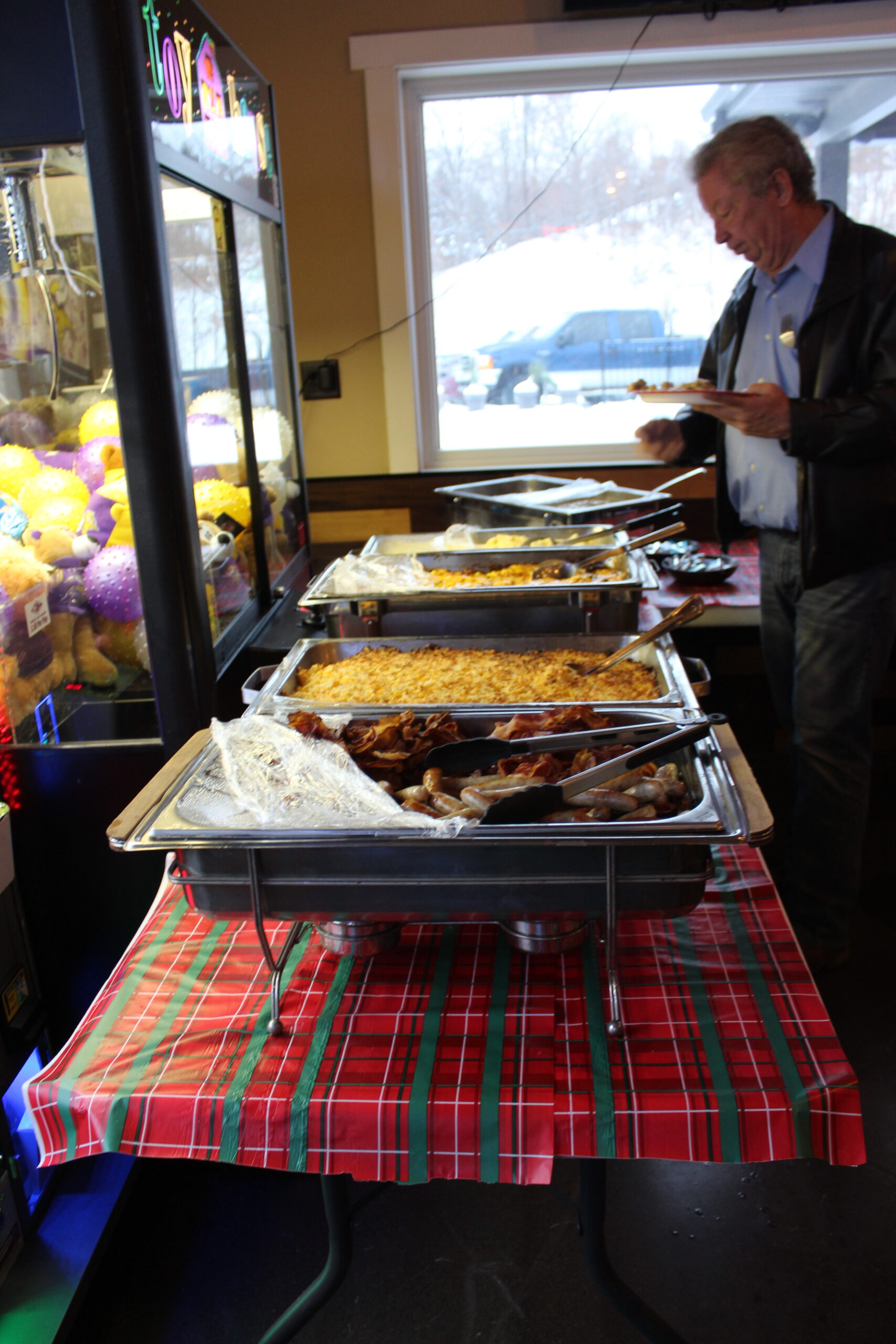
Our Christmas Brunch will be held at Grumpy Minnow on Saturday, December 11th. Meeting will start at 8:30AM, brunch to follow.

You Might Also Like

Read more about the article Upcoming Meeting & Holiday Breakfast

Upcoming Meeting & Holiday Breakfast

December 5, 2019
Read more about the article RLIA Monthly Meeting Minutes – 2021-12

RLIA Monthly Meeting Minutes – 2021-12

January 27, 2022
Read more about the article RLIA Postcard – 2021-Q4

RLIA Postcard – 2021-Q4

November 26, 2021

Latest from Facebook

RUSH LAKE Improvement Association

4 days ago

RUSH LAKE Improvement Association
Minnesota DNR shares ideas to make the most of Great Outdoors MonthDiscover, connect and conserve the outdoors with programs, activitiesPeople paddling in a kayakJune is Great Outdoors Month, a perfect time to highlight our abundant natural resources, celebrate Minnesota’s dedication to conservation, and get outdoors to enjoy the incredible recreation activities available here.In 2019, the U.S. Senate officially designated June as Great Outdoors Month. It was created to encourage people to get outside and enjoy nature and to recognize the importance of outdoor recreation, conservation, and public spaces. It also highlights the health, social, and economic benefits that come from spending time outdoors.“Great Outdoors Month is an opportunity to recognize the vital role Minnesota’s vibrant natural resources play in supporting our quality of life, public health, environment, and economy,” Minnesota Department of Natural Resources Commissioner Sarah Strommen said. “We encourage people to get outside and enjoy the benefits of all the unique outdoor spaces and activities Minnesota has to offer!”Throughout June, the Minnesota DNR will host special events and activities to encourage Minnesotans to get outdoors. These include:Take a Kid Fishing Weekend (mndnr.gov/takeakidfishing): Each year in early June, this fishing weekend is a great opportunity to share the fun of fishing with kids. In a typical year, the weekend allows Minnesotans 16 or older to fish without a license when they take a child 15 or younger fishing. However, this year, the weekend (June 5-7) coincides with a pause in fishing license sales June 2-8 as the DNR transitions data to Minnesota’s new electronic licensing system (mndnr.gov/elsupdates). During this necessary pause, anglers may fish without a license. All other fishing season regulations and bag limits will remain in effect. Still, the weekend remains a great chance to introduce young people to the joy of fishing, an activity that can lead to a lifetime of great memories with families and friends.Free Park Day (mndnr.gov/freeparkday): On Saturday, June 13, vehicle permits are not required to enter all state parks and recreation areas in Minnesota. With a state park or recreation area within 30 miles of most Minnesotans, Free Park Day is a chance to get out there and explore somewhere new or visit an old favorite at a new time of year. Many parks will be hosting naturalist-led programs that day for visitors to enjoy, including Bats Eat Bugs (Wild River State Park), The Hidden Bog and Bog Bingo (Big Bog State Recreation Area), A Tale of Two Rivers (St. Croix State Park), Microscopic Worlds (Nerstrand Big Woods State Park), For The Birds (Fort Snelling State Park), and more. If people can’t make it on Free Park Day, seven-day vehicle permits are also available for check out at participating libraries through the DNR’s State Parks Library Program (mndnr.gov/library-pass).No ATV Registration Weekend: June 13-14, Minnesotans with an all-terrain vehicle registered for private or agricultural use won’t need to pay the additional registration fee to ride the state’s public ATV trails, and out-of-state riders can explore Minnesota’s trails without the need for a nonresident ATV trail pass. This annual weekend gives riders access to more than 3,000 miles of state forest and grant-in-aid trails. Other requirements to ride on public lands, including wearing DOT-certified helmets for everyone 18 and younger and completing the ATV safety certification for anyone born after July 1, 1987, still apply. For trail maps, updates on trail conditions, ATV safety training and other off-highway vehicle information, visit the DNR’s OHV riding webpage (mndnr.gov/ohv).Naturalist programs (mndnr.gov/ptcalendar): There are almost 200 naturalist-led events happening in state parks throughout June. Most programs are free and offer hands-on experiences for all ages. Topics include Morning Nature Hike (Itasca State Park), Build a Prairie (Minneopa State Park), Bat Chat (Whitewater State Park), Pollinator Party (Forestville Mystery Cave State Park), Meet the Trees (Sibley State Park), Summer Series: Minnesota Fishes (Glendalough State Park), and many more.More ways to enjoy the great outdoors, during June and year-round:Enjoy an outdoor recreation activity: Bike, camp, scout for hunting, swim and more. Learn more about outdoor recreation in Minnesota on the DNR’s website (mndnr.gov/recreation).Get on the water: Minnesota’s lakes and rivers offer endless opportunities for boating, paddling, and fishing. The DNR has online information on fishing (mndnr.gov/fishing), state water trails (mndnr.gov/watertrails), boating (mndnr.gov/boating), and more. Make the most of the time on the water by prioritizing safety. Wearing life jackets can save lives, and ensure everyone has a safe and enjoyable outing. Learn more on the DNR’s boat and water safety webpage (mndnr.gov/safety/boatwater). It’s also important to remember that new requirements went into effect in 2025, which means many boaters must complete a boater education course. As of July 1, 2026, anyone born after June 30, 2000 must obtain their certification. See the DNR website for more information (mndnr.gov/safety/boatwater/boater-education-law.html).Visit a wildlife management area, scientific and natural area, or state forest: Explore Minnesota’s diverse landscapes. Learn more about WMAs (mndnr.gov/wmas), SNAs (mndnr.gov/snas) and state forests (mndnr.gov/stateforests) and how to enjoy them on the DNR website.Take a state park tour: Reserve a spot on a guided tour available at three Minnesota state parks to learn more about prairies and bison, caves, and mines. These tours require a small fee and offer memorable, affordable ways to explore nature with an expert. See availability and make reservations on the DNR’s state parks tours webpage (mndnr.gov/tours).Learn more about the outdoors: Develop skills for a future outdoor activity through the Minnesota Outdoor Skills and Stewardship webinar series (mndnr.gov/discover), with a webinar archive that contains more than 200 webinars on fishing, hunting and other Minnesota outdoor topics. And attend an I Can! Program (mndnr.gov/ican) to get beginner-friendly instruction in camping, paddling, mountain biking, fishing and archery from experienced instructors.Through the Get Out MORE (Modernize Outdoor Recreation Experiences) initiative, started in 2023, the DNR and its partners are modernizing and expanding access to outdoors spaces so everyone can enjoy the benefits of nature, no matter how they choose to spend time outside. Dozens of projects are already complete, from shore fishing and public water access improvements, to modernized and more accessible infrastructure across public lands and waters. Learn more about projects that are complete and underway across the state on the DNR website (mndnr.gov/get-out-more).### ... See MoreSee Less
View on Facebook
· Share

Share on Facebook Share on Twitter Share on Linked In Share by Email

RUSH LAKE Improvement Association

2 weeks ago

RUSH LAKE Improvement Association
Still looking for help on trees in channel. Might risk being closed if we cant get help. Contact Doug 612-250-3788 ... See MoreSee Less
View on Facebook
· Share

Share on Facebook Share on Twitter Share on Linked In Share by Email

RUSH LAKE Improvement Association

2 weeks ago

RUSH LAKE Improvement Association
Trees down blocking channel. Need volunteers asap! Call Doug 612-250-3788 ... See MoreSee Less
View on Facebook
· Share

Share on Facebook Share on Twitter Share on Linked In Share by Email

RUSH LAKE Improvement Association

4 weeks ago

RUSH LAKE Improvement Association
During fishing opener weekend and always: Clean, drain, disposeThe approaching walleye fishing season comes with a reminder from the Minnesota Department of Natural Resources to always follow state laws to prevent the spread of aquatic invasive species.Most anglers and boaters in Minnesota take the clean, drain, dispose steps for invasive species prevention every time they leave a lake or river.“We’re grateful for the partnerships with nonprofits, local governments, researchers, and lake associations, and to the individuals who take AIS prevention so seriously in Minnesota,” said DNR Commissioner Sarah Strommen. “Minnesotans taking collective responsibility to keep our lakes clean and healthy has made our state a national leader in AIS prevention. That’s something we can all be enormously proud of.”DNR Invasive Species Program Supervisor Kelly Pennington said people need to take prevention steps whether an enforcement officer or watercraft inspector is present or not.“All anglers and boaters in Minnesota are required to take three simple steps: clean, drain, dispose,” Pennington said. “It’s not only the best way to prevent the spread of aquatic invasive species, but it’s also the law in Minnesota.”Whether or not a lake has any invasive species, Minnesota law requires people to:Clean watercraft, trailers and gear to remove aquatic plants and prohibited invasive species.Drain all water and leave drain plugs out during transport.Dispose of unwanted bait in the trash.Never release bait, plants or aquarium pets into Minnesota waters.Dry all docks, lifts and rafts for 21 days before moving them from one water body to another.These additional steps reduce the risk of spreading aquatic invasive species:Decontaminate watercraft, trailers and gear – find free stations on the courtesy decontamination webpage of the DNR website (mndnr.gov/decon).Spray watercraft, trailers and gear with high-pressure water or rinse with water.Dry watercraft, trailers and gear for at least five days before using in another water body.The DNR appreciates the efforts and collaboration of everyone engaged in aquatic invasive species prevention and management, including Wildlife Forever, Minnesota Lakes and Rivers Advocates, the Minnesota Aquatic Invasive Species Advisory Committee, the University of Minnesota Aquatic Invasive Species Research Center, lake service providers and other outdoor recreation businesses, lake associations, recreation and hobbyist groups, and Tribal governments.People should contact a Minnesota DNR aquatic invasive species specialist (mndnr.gov/invasives/ais/contacts.html) if they think they have found an invasive species that was not already known to be in the water body.More information is available on the aquatic invasive species webpage of the DNR website (mndnr.gov/ais). ... See MoreSee Less
View on Facebook
· Share

Share on Facebook Share on Twitter Share on Linked In Share by Email

RUSH LAKE Improvement Association

2 months ago

RUSH LAKE Improvement Association
DNR: As ice recedes, safe practices around cold water are criticalThe ice is gone from most lakes in the southern part of Minnesota and ice on many northern lakes is melting quickly. It’s already common to see anglers and paddlers on open water, but with water temperatures dangerously low, the Minnesota Department of Natural Resources reminds anyone who’s around lakes, rivers and ponds that cold water is dangerous and unexpected falls into the water can quickly turn tragic.Each year approximately 30 percent of all fatal boating accidents occur during the cold-water period, defined as anytime the water is below 70 degrees. Many of these incidents involve victims who weren’t wearing a life jacket. The best way to survive a fall into cold water is to wear a life jacket and make sure it’s buckled or zipped.“We know Minnesotans want to take advantage of every day of open water, and it’s great to see people out on the water, getting an early start to the season,” said Lisa Dugan, DNR recreation safety outreach coordinator. “But the message people need to understand is this: Make sure you have the proper safety gear and don’t put your desire to hit the water over the need to be safe.”As boaters and paddlers head out on water, they should:Wear a foam-filled life jacket, rather than the inflatable type. Cold water can prevent inflatable life jackets from fully inflating.Ensure that watercraft operators meet safety permit requirements.Equip the watercraft with proper safety gear and make sure all equipment is functioning properly.Distribute weight evenly and abide by manufacturers’ weight limits to ensure the watercraft’s stability and reduce the likelihood of falling overboard.Have a means of communication and ensure someone knows their destination and planned time of return.Watch the weather to avoid shifting winds or storms.For more information about staying safe on and around cold water, visit the DNR’s cold water safety webpage (www.dnr.state.mn.us/safety/boatwater/cold-water.html).###Rainfall monitoring network seeks volunteersParticipants provide important data about precipitation, climate trendsThe Minnesota State Climatology Office is seeking rainfall monitors for the Community Collaborative Rain, Hail and Snow Network, or CoCoRaHS. The network includes more than 20,000 volunteers nationwide who measure precipitation in their backyards using a standard 4-inch diameter rain gauge.Participants submit their precipitation reports online. The data from backyard rain gauges are a critical source of information and it is beneficial to add more volunteer weather observers each year, even in areas where there are already volunteers.“Rainfall and snowfall amounts can vary widely over a short distance, so multiple reports are helpful in the same community or area,” State Climatologist Luigi Romolo said. “We have some areas in greater Minnesota that have very few reporting stations. The more we have across the state, the better information we all have. Over time, as more volunteer reports make our precipitation maps more accurate, these observations provide critical guidance on Minnesota’s changing climate,” Romolo added. “It’s a great educational activity for families with kids, and a rewarding hobby for anyone interested in weather or climate.”Volunteers are particularly needed outside the Twin Cities metro area. Volunteers receive training on how to observe weather trends and how to submit their precipitation and weather event reports. All training material is available online. Participants must purchase or provide a standard 4-inch diameter rain gauge (available at discount through CoCoRaHS) and have internet access to submit reports.For the past six years, Minnesota has won the “CoCoRaHS Cup” for recruiting the most new volunteers of any state during the annual national recruiting drive. Moved from March to April this year, “Rain Gauge Rally 2026” continues through the end of the month. “Year after year, Minnesotans are the best in the nation at stepping up and joining this important effort. Let’s keep the cup in Minnesota as we continue to improve our state’s precipitation recording,” Romolo said.To sign up or for more information, visit CoCoRaHS.org or contact Luigi Romolo at luigi.romolo@state.mn.us.### ... See MoreSee Less
View on Facebook
· Share

Share on Facebook Share on Twitter Share on Linked In Share by Email

Copyright 2019 - Rush Lake Improvement Association (RLIA)
error: Content is protected
×
×

Cart